AI-native engineering for legacy systems

Understand your system. Change it safely.

We help you understand a difficult system, prove it works, and make the next change with confidence.

LEGACY SYSTEMunknowns → evidence → safer changechecks · evidence · decisions · handover

The problem we solve

Legacy change is risky when nobody can see the whole system.

Important software often outlives the people who built it — leaving fragile releases and decisions that live in someone's head. We make the system easier to understand before asking it to change.

01

Recover context

Understand how the system really works today: the code, the data, and the people who keep it running.

02

Build evidence

Put checks in place around the riskiest parts, so problems surface before your customers do.

03

Make the next move safer

Leave your team with options: targeted modernization, a delivery plan, or a clean handover.

What we do

A practical path from uncertainty to safer change

We use AI to speed up the investigation and documentation work, while experienced engineers stay accountable for what it finds and the decisions that follow.

How Discovery works
DISCOVERY

Bring the system as it is today, uncertainty included.

UNDERSTAND

See how it's built, what it connects to, and how it runs day to day.

CHANGE

Make the next change safely, with evidence behind every decision.

HANDOVER

A modernization, delivery, or handover plan your organization can own.

Explore the opportunity

What could your application team do with more room to move?

Explore how AI-assisted engineering could free capacity for the changes your business needs. Start with a research-informed example, then adjust it to your situation.

Choose your priority to put the numbers in the context of your decision.

Your inputs

These are example values. You can replace them; nothing is sent or saved.

Fixes or bounded improvements; major modernization needs its own scope.
Include analysis, implementation, testing and review.
Optional. Use your own blended cost, not an Aleph price.
20% means a 5-day change could take 4 days. It is an editable example informed by a 2026 software-delivery case below.
Typical delay outside engineering work, such as an approval or release window. We use the same delay in both estimates.
Optional. Add extra people, tools or operations during a transition; leave blank if unknown.

Potential change capacity

Research-informed illustration — not based on your system.

Current change work60 engineering days / year€54,000 / year7 working days per change, including waiting
AI-assisted illustration48 engineering days / year€43,200 / year6 working days per change, including waiting

12 engineering days of potential capacity per year. Those days could go toward safer releases, reducing a backlog, or delivering a needed capability. They become a cash saving only if actual spending falls.

Running both approaches

No extra parallel cost entered. The figure above covers engineering work only; include extra old-system and new-approach costs if both must run together.

How the estimate works

Current work = 12 changes × 5 engineering days = 60 days per year.

AI-assisted illustration = 60 days × (100% − 20% possible time saving) = 48 days per year. This covers the whole change, including review.

Engineering cost = annual engineering days × €900 loaded day cost.

Elapsed time per change = engineering days for one engineer + 2 waiting days in both approaches. Release windows and external dependencies are outside this estimate.

Published measures to explore

Recent results show different ways AI can help teams deliver and support software. Each figure belongs to its own setting and measure.

  • 20–25% less IT development effortVodafone Idea and IBM, 2026 report this across a delivery model serving more than 150 applications; they also report 15% shorter end-to-end development time. The widget starts at an editable 20% illustration, not a Vodafone result for your application.
  • 26% more completed tasks2026 field experiments combined results from 4,867 developers at Microsoft, Accenture and another large company given access to an AI coding assistant. Completed-task volume is not the same as time or cost saved.
  • 75% shorter incident resolutionIn a recent Cognizant managed application support case, reported resolution time fell from eight to two hours after AI-assisted engineering and service changes. It measures incidents, not annual AMS cost.

These are published case results and a research study, not Aleph customer outcomes. For your application, a useful baseline would track change effort, incidents, service continuity and costs separately.

Turn an illustration into a useful plan

An Application Managed Services (AMS) engagement would define ongoing support, coverage, incident handling and small controlled changes for your application. Its value may be continuity and capacity, not a lower bill. The calculation excludes transition, monitoring, coverage, hosting and service fees.

Standalone Application Modernization is separately scoped and can address a capability gap or a material technical risk. The existing system may need to run during a staged transition, under a named operating owner. Discovery can establish your baseline, identify suitable work, and test where AI assistance helps. Engineers still review AI-assisted work, and no customer data is sent from this widget to a model or external service.

Discuss your application

Where we create leverage

For teams carrying software they cannot afford to misunderstand.

You do not need a perfect brief. Bring the system, the uncertainty, and the decision that is currently stuck.

Leadership

Critical legacy platforms

Releases depend on a few people, documentation is thin, and every change feels like a wager.

Product & operations

Growing engineering teams

New engineers need weeks to become useful and senior context is becoming a bottleneck.

Engineering & IT

Owners planning a transition

You need a realistic modernization or handover plan grounded in how the system actually behaves.

The partnership

Experts who work inside the problem

AI changes fast. Your business cannot afford solutions that ignore context. We bring senior builders, designers, and operators together with your people to make the right thing real.

Meet the team
SMALL / SENIOR / DIRECTOne accountable engineering partner.Context is shared. Decisions are visible. Ownership stays with your team.

Trust by design

Move fast without making your foundations fragile

Every engagement is shaped around security, visibility into how things are running, careful testing, and a clear human role. We build systems that can be understood, improved, and owned by your organization.

✓ Visible✓ Tested✓ Explainable✓ Owned

Our craft

An engineering system for intelligent products

We combine what actually makes AI useful in daily operations: clear context, dependable workflows, careful testing, and human ownership.

01

Understanding your systems

02

AI-assisted workflows

03

Quality and testing

04

Secure data and integrations

05

Visibility and smooth operations

06

Knowledge transfer and ownership

Projects

To the Moon! Together!

Nothing makes us happier than the success of our client partners.

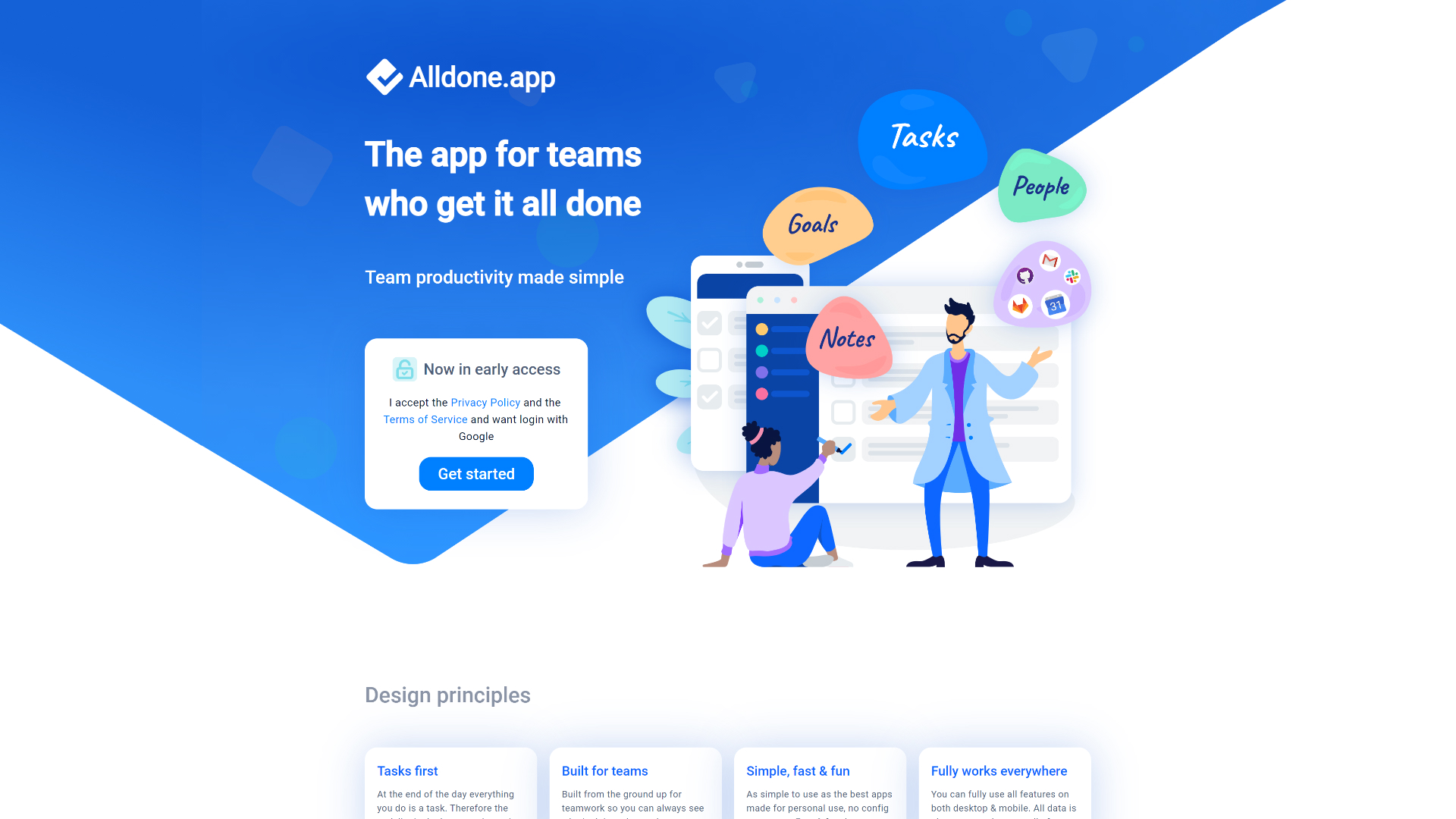
Alldone
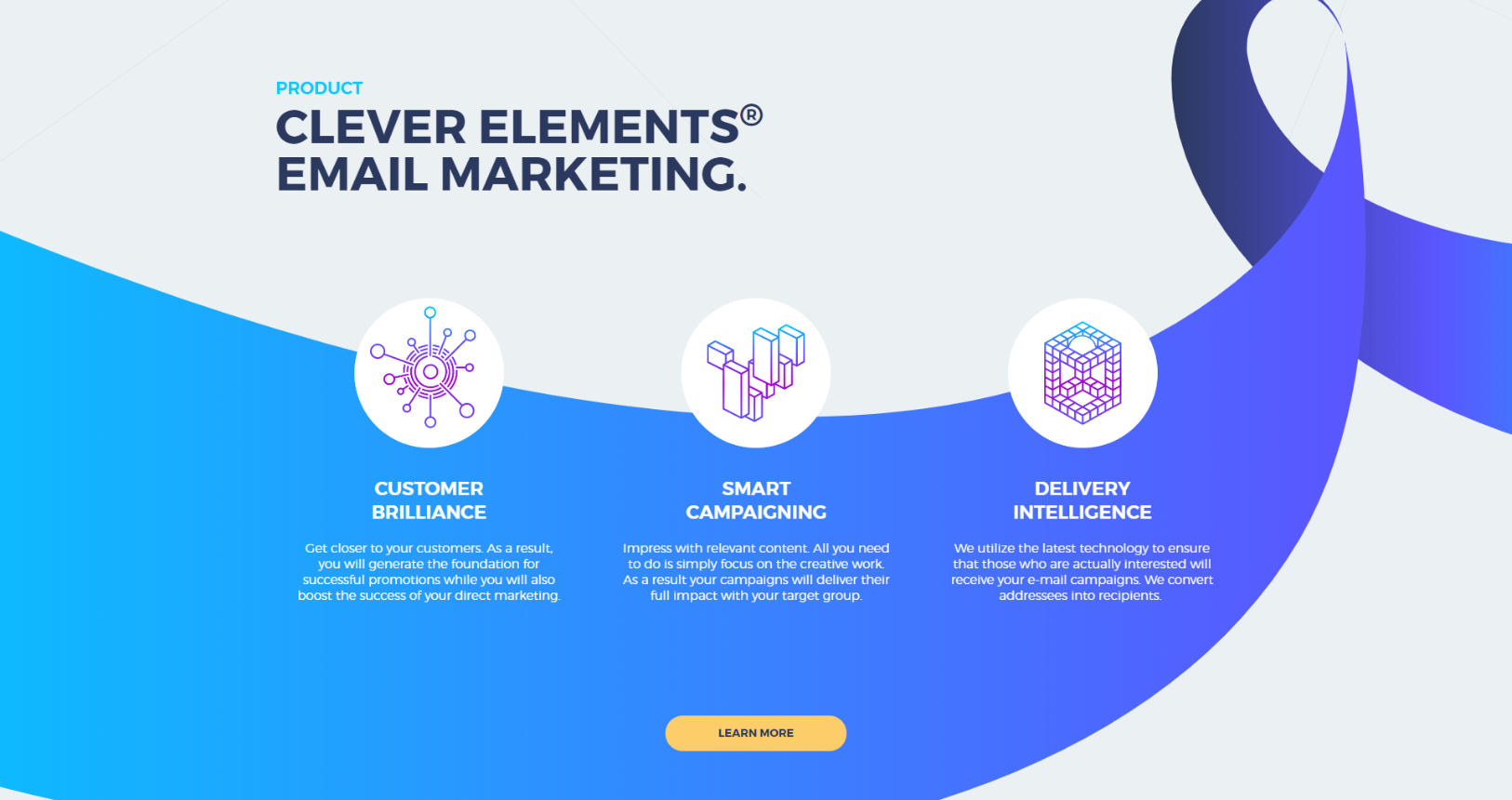
Clever Elements
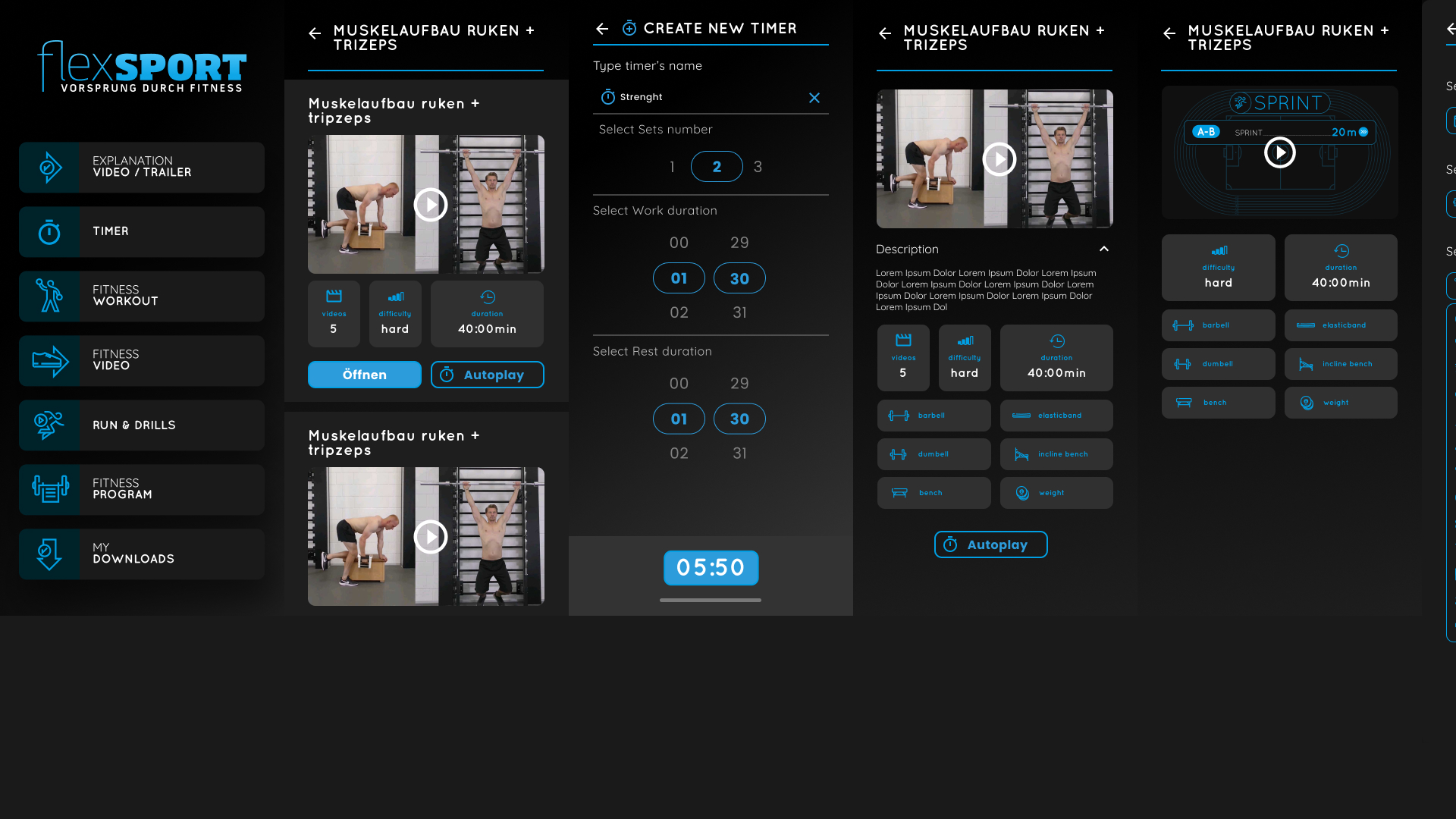
flexSport
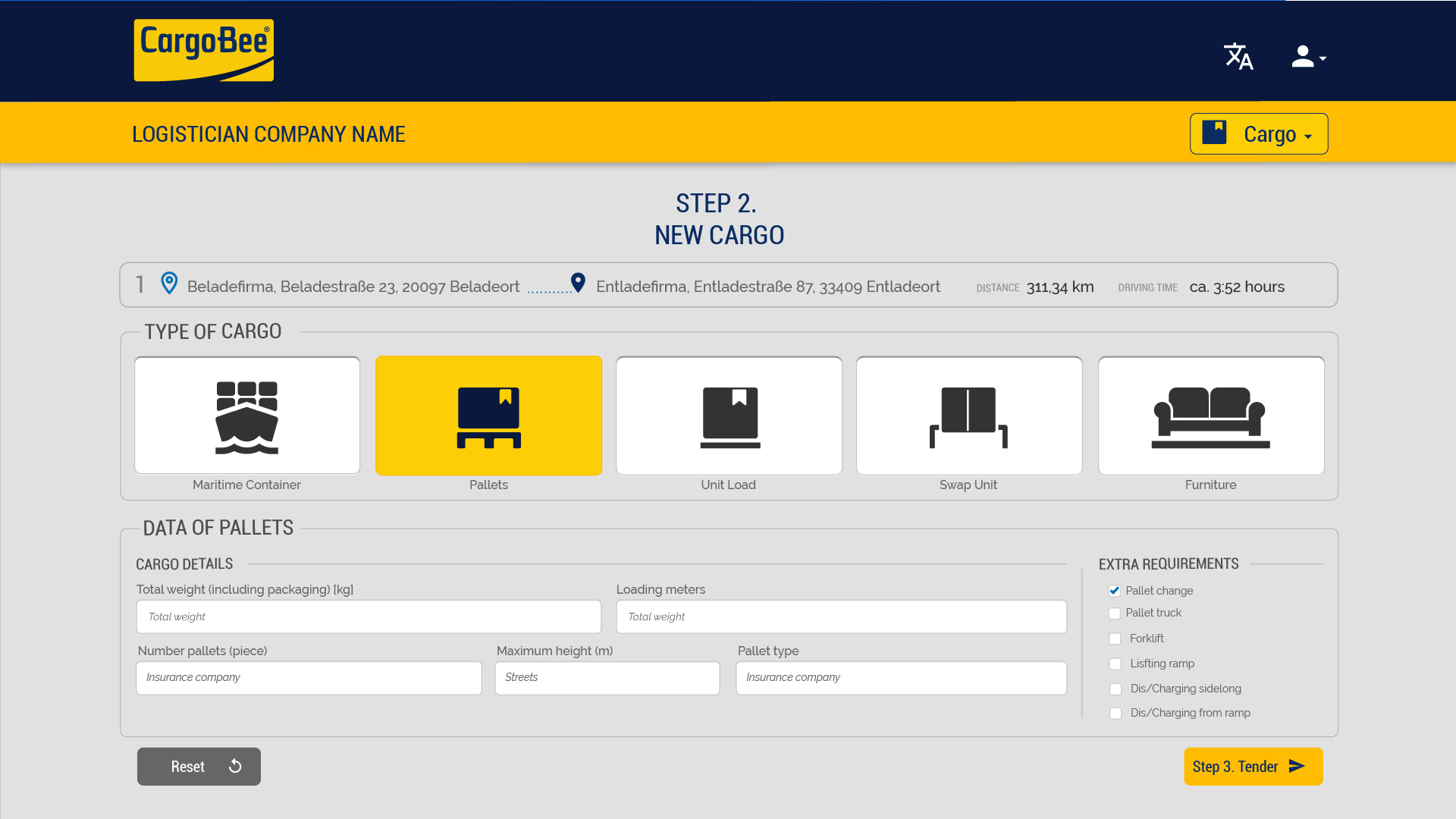
CargoBee
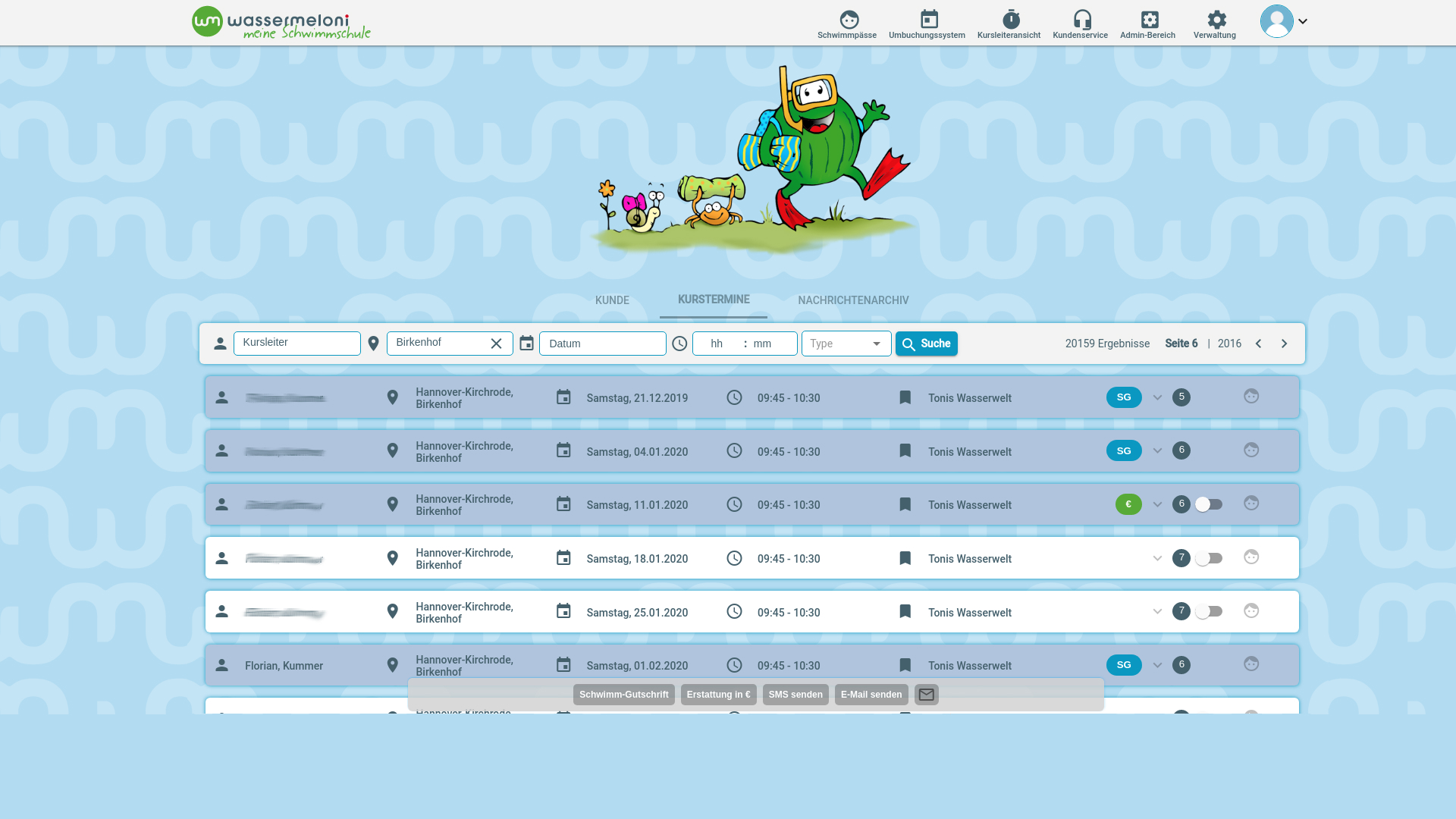
Wassermeloni
SyroCon
Toygardens Media

What clients say

Proof is a conversation, not a claim.

“The team of Aleph Engineering proved they are not only service providers but also have a real interest in our products and goals.”

Andreas KunzeCEO of Toygardens Media

“The cooperation with Aleph Engineering software house allows us to overcome growth challenges and continuously deliver more value every week.”

Muri MuranakaCTO of Wassermeloni GmbH & Co. KG

“The Alephers integrated very smoothly with the rest of the team, came up to speed quickly, and proactively suggested improvements.”

Florian PfützeBusiness Unit Manager at SyroCon AG

Recognition

A track record built with customers.

Aleph Engineering recognition

Selected work

Systems people use every day.

Your challenge

Let's work through it, together.

Tell us what you are building, changing, or trying to make work better.

Start a conversation